
Do you want to become stronger, fitter and more confident as you grow older? Perhaps you’re returning to exercise after a long break, adapting to changes in your body or wondering whether it’s too late to begin strength training.
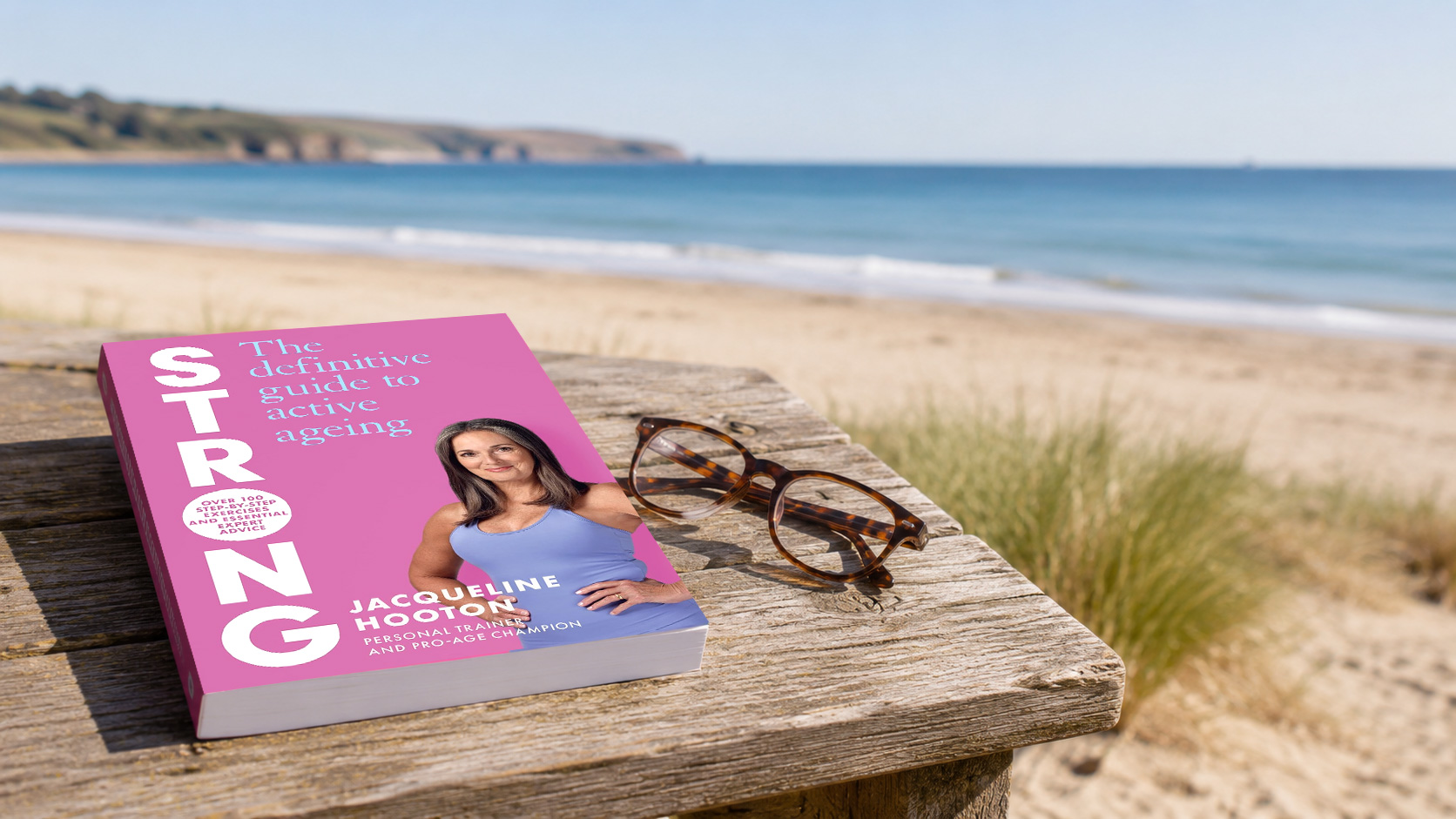
My book, Strong: The Definitive Guide to Active Ageing, is here to show you that it is never too late to make a positive difference. Drawing on more than two decades of experience as a personal trainer and pro-age champion, I have created a practical and encouraging guide to help you move well, build strength and approach the years ahead with confidence.
Active ageing is about making choices that support your physical health, independence and quality of life as you grow older. It isn’t about trying to turn back the clock or conforming to unrealistic ideas about looking younger. Instead, it means working with your body, recognising what it is capable of and taking positive steps to protect your future health.
Regular physical activity can support strength, balance, flexibility and cardiovascular fitness. It can also make everyday movements easier, whether that means carrying shopping, climbing stairs, getting up from the floor or continuing to enjoy the hobbies and activities you love.
For adults aged 65 and over, the NHS recommends including activities that improve strength, balance and flexibility on at least two days each week. However, these are valuable areas of fitness to work on throughout midlife and beyond.
Read the NHS physical activity guidelines.
Maintaining strength as we age helps support our muscles, bones and joints. For women in particular, the physical changes associated with perimenopause, menopause and later life can make resistance exercise an important part of a healthy lifestyle.
Strength training doesn’t have to mean lifting heavy weights in a busy gym. It can include bodyweight movements, resistance bands, dumbbells and exercises adapted to your present mobility and fitness level.
The important thing is to start from where you are, progress appropriately and build a routine you can sustain. Whether you’re exercising for the first time or already train regularly, there is always an opportunity to become stronger.
Featuring more than 100 step-by-step exercises, Strong combines practical instruction with the latest research into exercise and healthy ageing.
The programmes are suitable for a range of abilities, from absolute beginners to experienced exercisers. This means you can begin at an appropriate level and gradually build your confidence, fitness and strength.
Many women reach their 50s, 60s or 70s believing they have missed their opportunity to get fit. You may feel apprehensive about starting exercise, especially if you have experienced illness, injury, surgery or a long period of inactivity. But fitness isn’t reserved for the young, and progress doesn’t have an age limit.
My aim with Strong is to make exercise accessible and achievable. The focus isn’t on punishing workouts or quick transformations. It is about understanding your body, making steady progress and developing the physical capacity to enjoy life on your own terms.
You cannot stop yourself from growing older, but you can influence how you grow older.
Whether you want to build muscle after 50, improve your balance and mobility, return to exercise or simply feel more capable in everyday life, Strong will help you take the next step.
You can purchase Strong: The Definitive Guide to Active Ageing from:
Live better, age well and stay strong.